(800) 707-9111
 Call
Call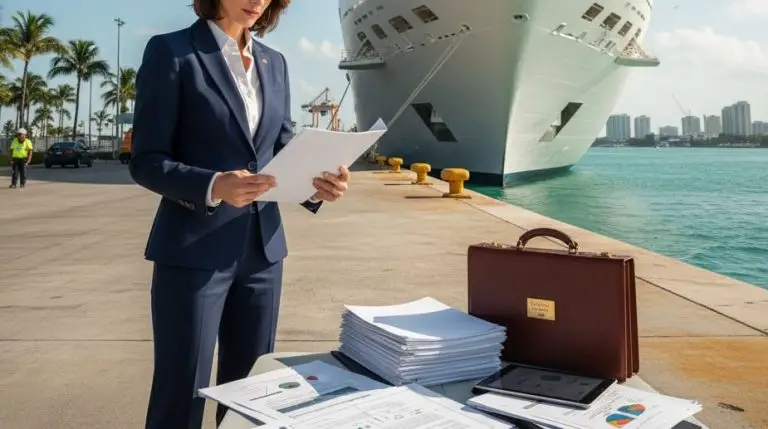
Cruise Ship and Maritime Accidents: Legal Options for Injured Passengers in Florida
Table of Contents
With its bustling ports in Miami, Fort Lauderdale, and Tampa, Florida is the cruise capital of the world. Millions of passengers board cruise ships each year, expecting leisure and relaxation. But when serious injuries or illnesses happen at sea, the situation becomes anything but simple.
Cruise ship and maritime accidents involve complex international laws, strict filing deadlines, and unique jurisdictional rules. Whether you slipped on a wet deck, suffered food poisoning, or sustained a catastrophic injury during an excursion, understanding your legal options is vital. This guide explains how maritime law applies to cruise ship accidents, who can be held liable, and how a Florida maritime injury lawyer can help you pursue justice.
Common Types of Cruise Ship and Maritime Accidents
Cruise ships function like floating cities, complete with restaurants, pools, elevators, and entertainment venues. That complexity creates multiple opportunities for negligence. Common accident types include:
- Slip and fall accidents on decks, stairways, or buffets due to slippery surfaces
- Foodborne illnesses from contaminated food or unsanitary kitchens
- Swimming pool or water slide injuries
- Falling overboard or from upper decks
- Elevator and escalator malfunctions
- Assaults by crew or other passengers due to inadequate security
- Tender boat and shore excursion injuries
- Medical malpractice in the ship’s infirmary
Even minor incidents can become serious when they occur far from land, where immediate medical care is limited.
Florida’s Role in Cruise Ship Litigation
Because most major cruise lines, including Royal Caribbean, Carnival, Norwegian, and Celebrity Cruises, are headquartered in South Florida, many passenger injury claims are filed in federal court in Miami.
Florida courts apply maritime law, also known as admiralty law, which governs incidents that occur on navigable waters. Maritime law differs significantly from state personal injury law, particularly in how negligence and liability are proven.
Who Can Be Held Liable for a Cruise Ship Injury?
Depending on the nature of the incident, one or more parties may be responsible for your injuries:
1. Cruise Line Operators
Cruise companies owe passengers a duty of reasonable care under the circumstances. They can be held liable for:
- Failing to maintain safe conditions on the ship
- Negligent hiring or training of crew members
- Inadequate medical care from onboard staff
- Poor sanitation leading to illness outbreaks
- Failure to warn passengers of known dangers during excursions
2. Crew Members or Staff
If an employee’s negligence or misconduct causes injury, such as dropping equipment, failing to clean spills, or committing assault, both the individual and the cruise line can be held accountable.
3. Excursion Operators
Many injuries happen during shore excursions run by third-party companies. Cruise lines often claim these operators are independent contractors to avoid liability. However, if the cruise company failed to vet or supervise them properly, they may share fault.
4. Manufacturers of Defective Equipment
If a faulty elevator, railing, or ship component causes injury, victims may pursue a product liability claim against the manufacturer or maintenance contractor.
The Passenger Ticket Contract: Hidden Legal Traps
Most passengers don’t realize that their cruise ticket acts as a binding legal contract, dictating where and how they can file a claim. Common clauses include:
- Forum selection: Requiring lawsuits to be filed in Miami, Florida, even if the passenger lives elsewhere.
- Notice requirements: Requiring passengers to give written notice within 6 months of the injury.
- Statute of limitations: Limiting lawsuits to 1 year from the date of the incident, much shorter than Florida’s standard two-year personal injury deadline.
Failing to meet these strict deadlines can completely bar your claim. That’s why consulting a Florida cruise ship injury lawyer as soon as possible is essential.
Proving Negligence in a Cruise Ship Case
To win a maritime injury case, you must prove that the cruise line or another party failed to exercise reasonable care, and that negligence directly caused your injuries. Evidence may include:
- Surveillance footage from ship cameras
- Maintenance and cleaning logs
- Medical records from onboard and land-based facilities
- Passenger and crew witness statements
- Expert analysis of safety practices or design flaws
Because cruise lines deploy legal teams immediately after an incident, gathering this evidence quickly is critical.
Common Injuries on Cruise Ships
Cruise-related injuries can range from minor to life-threatening, such as:
- Broken bones and fractures from slips or falls
- Spinal cord injuries or paralysis from falls or machinery accidents
- Head trauma or concussions
- Severe infections or food poisoning
- Drowning or near-drowning in onboard pools
- Sexual assault or battery by crew or other passengers
- Medical negligence leading to worsening illness or death
In fatal cases, the victim’s family may file a wrongful death claim under maritime law or the Death on the High Seas Act (DOHSA) if the death occurred more than three nautical miles from shore.
Compensation Available to Victims
Victims of cruise ship or maritime accidents may be entitled to recover:
- Medical expenses and future treatment costs
- Lost wages and reduced earning capacity
- Pain and suffering
- Emotional distress
- Loss of consortium or companionship
- Funeral expenses (in wrongful death cases)
An experienced Florida maritime attorney can calculate damages accurately, especially in cases involving long-term or permanent injury.
Related Practice Areas
Cruise ship and maritime accidents often overlap with other areas of personal injury law, such as:
- [Florida Premises Liability Lawyers], for unsafe ship conditions or hazards.
- [Florida Wrongful Death Attorneys], for fatalities at sea.
- [Florida Catastrophic Injury Lawyers], for brain, spinal, or paralysis cases.
- [Florida Product Liability Attorneys], when defective ship equipment or machinery causes harm.
Each area requires deep knowledge of both Florida and maritime law to ensure full compensation.
Why You Need a Florida Maritime Injury Lawyer
Cruise lines and their insurers are experienced in minimizing payouts and shifting blame. A skilled Florida cruise ship accident lawyer can:
- Review your passenger contract to determine deadlines and jurisdiction
- Investigate the cause of the accident and collect evidence
- File claims within maritime law’s strict time limits
- Negotiate or litigate aggressively for fair compensation
Because of the one-year statute of limitations, contacting an attorney as soon as possible is the safest step you can take.
Call Kogan & DiSalvo Personal Injury Lawyers
If you were injured on a cruise ship or during a maritime excursion, contact Kogan & DiSalvo Personal Injury Lawyers. Our experienced attorneys understand the complexities of maritime law and represent clients against the largest cruise lines in the world.
Call (561) 286-8132 today for a free consultation. We serve clients statewide from offices in Boca Raton, Delray Beach, Plantation, Palm Bay, St. Petersburg, Vero Beach, North Miami Beach, Boynton Beach, Fort Lauderdale, Lakeland, Stuart, Tampa, and West Palm Beach.